
Table of Contents
- What Peptides Are and How Peptide Therapy Works
- Key Benefits of Peptide Therapy for High Performers
- BPC-157 Recovery Benefits and Regenerative Potential
- Peptide Therapy for Longevity and Anti-Aging
- Safety of Medically Guided Peptide Therapy
- Risks of DIY Peptide Use vs. Clinical Supervision
- Getting Started: What to Expect from Peptide Therapy
- Conclusion: Is Peptide Therapy Right for You?
- Frequently Asked Questions
Last Updated: September 3, 2026
What Peptides Are and How Peptide Therapy Works
Peptides are short chains of amino acids that function as signaling molecules throughout the body, triggering specific cellular responses that influence everything from muscle growth to immune function. Unlike larger proteins, peptides are small enough to be absorbed efficiently, making them ideal for therapeutic applications. Benefits of peptide therapy 2026 have expanded significantly as research has clarified how these molecules interact with cellular receptors to optimize recovery, performance, and longevity.
Peptide therapy works by mimicking or enhancing the body’s natural signaling pathways. When administered through subcutaneous injection, peptides bind to specific receptors on cells, initiating cascades of biological activity. At The Boulevard Wellness, medically guided peptide therapy allows practitioners to target precise physiological outcomes: accelerated tissue repair, metabolic optimization, enhanced cognitive function, and improved body composition. The key difference between clinical peptide therapy and unguided approaches lies in dosage titration, therapeutic monitoring, and individualized treatment protocols based on baseline health markers.
A peptide enters circulation, travels to target tissues, and activates cellular signaling pathways that the body naturally uses but may underperform due to age, stress, or overtraining. This is regenerative medicine at the molecular level, instructing cells to repair themselves more efficiently rather than replacing damaged tissue. Understanding how peptides work is essential before considering whether benefits of peptide therapy 2026 align with your health objectives.
Peptides are amino acid chains that signal cells to trigger specific biological responses. Medically guided peptide therapy uses precise dosing and monitoring to optimize recovery, performance, and longevity.
Key Benefits of Peptide Therapy for High Performers
High-performing executives, entrepreneurs, and athletes often plateau despite optimizing sleep, nutrition, and training. Energy crashes by 3 PM. Recovery takes longer. Mental clarity deteriorates under stress. Peptide therapy addresses biological bottlenecks that conventional approaches cannot reach.
The benefits of peptide therapy 2026 extend across multiple physiological systems simultaneously. Well-designed peptide protocols influence muscle protein synthesis, inflammatory response, metabolic rate, and cognitive function through coordinated signaling, distinguishing medically guided peptide therapy from isolated interventions.
Enhanced Muscle Growth and Body Recomposition
Peptides that stimulate growth hormone secretion trigger muscle hypertrophy and fat oxidation without the side effects associated with exogenous hormone replacement. For athletes seeking body recomposition (building muscle while reducing body fat simultaneously), peptides offer a physiologically elegant solution that supports both processes concurrently.
Endogenous hormone stimulation preserves the body’s natural feedback loops and avoids the suppression of natural hormone production that occurs with exogenous hormone replacement. This is why medically supervised peptide therapy appeals to high performers who want performance gains without compromising long-term endocrine health.
:::pro
Track body composition changes through DEXA scans rather than scale weight. Muscle is denser than fat, so recomposition may show zero scale movement while body fat percentage drops significantly.
:::
Accelerated Recovery and Injury Repair
Peptides that enhance collagen synthesis and stimulate fibroblast activity accelerate the tissue repair process. When muscle, tendon, or ligament damage occurs, these peptides amplify the body’s natural healing cascade, increasing growth factor signaling and accelerating the transition from inflammatory response to tissue remodeling.
For athletes managing chronic overuse injuries or acute trauma, this translates to measurable reductions in recovery time. Medically guided peptide therapy reframes recovery as an active biological process that can be enhanced through targeted signaling. Combined with proper loading protocols and tissue-specific work, peptide therapy produces faster return-to-performance timelines than passive recovery alone.
Metabolic Optimization and Weight Management
Peptides that enhance metabolic rate and improve insulin sensitivity address the decline in basal metabolic rate that accompanies aging and the metabolic dysfunction that develops under chronic stress and poor sleep.
For high performers struggling with weight management despite disciplined nutrition and training, the issue often isn’t caloric intake but metabolic capacity. Chronic stress elevates cortisol, driving visceral fat accumulation and metabolic suppression. Peptides that optimize metabolic regulation enhance fat oxidation capacity, improve insulin sensitivity, and reduce inflammatory signaling that contributes to metabolic dysfunction.
Peptide therapy for metabolic optimization does not work without addressing sleep, stress, and training volume. These peptides enhance metabolic capacity; they do not override the metabolic damage caused by chronic sleep deprivation or excessive training.
Cognitive Function and Mental Clarity
Peptides with neuroprotective properties enhance cognitive function through improved cerebral blood flow, enhanced synaptic plasticity, reduced neuroinflammation, and optimized neurotransmitter signaling. For executives managing complex decision-making under sustained stress, this translates to improved focus, faster information processing, and enhanced working memory.
Cognitive benefits typically emerge within 2-4 weeks of consistent peptide therapy (peer-reviewed research). The improvement is subtle but meaningful: meetings require less mental effort, decision-making feels less effortful, and the afternoon crash becomes less pronounced.
BPC-157 Recovery Benefits and Regenerative Potential
BPC-157 (Body Protection Compound-157) is a 15-amino acid peptide derived from gastric juice that has emerged as one of the most studied peptides in regenerative medicine (peer-reviewed research). Its benefits span tissue repair, neuroprotection, and injury recovery, making it particularly relevant for high performers managing the cumulative wear of intense training or high-stress careers.
BPC-157 acts directly on tissue repair pathways through enhanced growth factor signaling, improved angiogenesis (new blood vessel formation), and reduced inflammatory response. For athletes with chronic tendon issues, ligament injuries, or muscle strains, BPC-157 accelerates the transition from acute inflammation to tissue remodeling by enhancing collagen deposition and improving blood flow to damaged tissue.
Beyond acute injury, BPC-157 supports ongoing tissue maintenance in high performers operating under sustained mechanical stress. The safety profile of BPC-157 is favorable compared to other peptides, with minimal reported adverse reactions in clinical settings.
Peptide Therapy for Longevity and Anti-Aging
The aging process involves progressive decline in multiple biological systems: declining growth hormone and IGF-1 signaling, reduced collagen synthesis, accumulated inflammatory signaling, and declining cellular repair capacity. Peptide therapy for longevity targets these root causes of aging rather than treating symptoms. (Source: Food and Drug Administration (FDA) guidelines)
Peptides that enhance growth hormone secretion, improve collagen synthesis, and reduce inflammatory response support the biological mechanisms that determine healthspan. The anti-aging benefits of peptide therapy emerge over months and years rather than weeks. Skin elasticity improves as collagen synthesis increases. Energy levels stabilize as metabolic function optimizes. Recovery capacity improves as growth hormone signaling enhances.
At The Boulevard Wellness, we approach peptide therapy for longevity as part of a comprehensive longevity protocol that includes hormone optimization, metabolic assessment, and targeted supplementation.
Peptide therapy for longevity targets the root biological mechanisms of aging: declining growth hormone signaling, reduced collagen synthesis, and accumulated inflammatory signaling. Results emerge over months, not weeks.
Safety of Medically Guided Peptide Therapy
The safety profile of peptide therapy depends entirely on medical supervision, proper sourcing, correct dosing, and appropriate patient selection. When administered under clinical guidance by qualified practitioners, peptide therapy carries a favorable safety profile with minimal adverse reactions.
Medical supervision involves baseline health assessment, appropriate screening for contraindications, dosage titration based on individual response, and therapeutic monitoring through follow-up clinical evaluation. Peptides administered in clinical settings are pharmaceutical-grade compounds manufactured under strict quality control standards, ensuring consistency, purity, and absence of contaminants.
The most common adverse reactions to properly dosed clinical peptides are mild: injection site irritation, temporary water retention, or mild appetite changes. Serious adverse reactions are rare in medically supervised settings. However, peptides do have contraindications; certain cardiovascular conditions, active malignancy, and specific medication interactions require careful evaluation before peptide therapy begins.
Risks of DIY Peptide Use vs. Clinical Supervision
The distinction between medically guided peptide therapy and DIY peptide use is the difference between a controlled therapeutic intervention and an uncontrolled experiment on your own biology.
DIY peptide use typically involves peptides sourced from unregulated suppliers, self-administered dosing based on online protocols, and zero clinical monitoring. The risks are substantial: unknown peptide purity, inconsistent potency, contamination with harmful substances, inappropriate dosing for individual physiology, and complete absence of adverse reaction monitoring.
A common mistake among high performers is assuming that because peptide therapy is safe in clinical settings, it will be safe when self-administered. This confuses the inherent safety profile of a properly dosed, pharmaceutical-grade peptide with the safety of an unmonitored, unverified compound administered without medical oversight.
Beyond purity and dosing, DIY peptide use lacks the therapeutic monitoring that allows practitioners to optimize protocols. A qualified practitioner adjusts dosing based on individual response, monitors for adverse reactions, and integrates peptide therapy with other aspects of health optimization. The real risk of DIY peptide use is that unmonitored, unverified, improperly dosed compounds administered without medical oversight create conditions where genuine harm can occur without detection or intervention.
Getting Started: What to Expect from Peptide Therapy
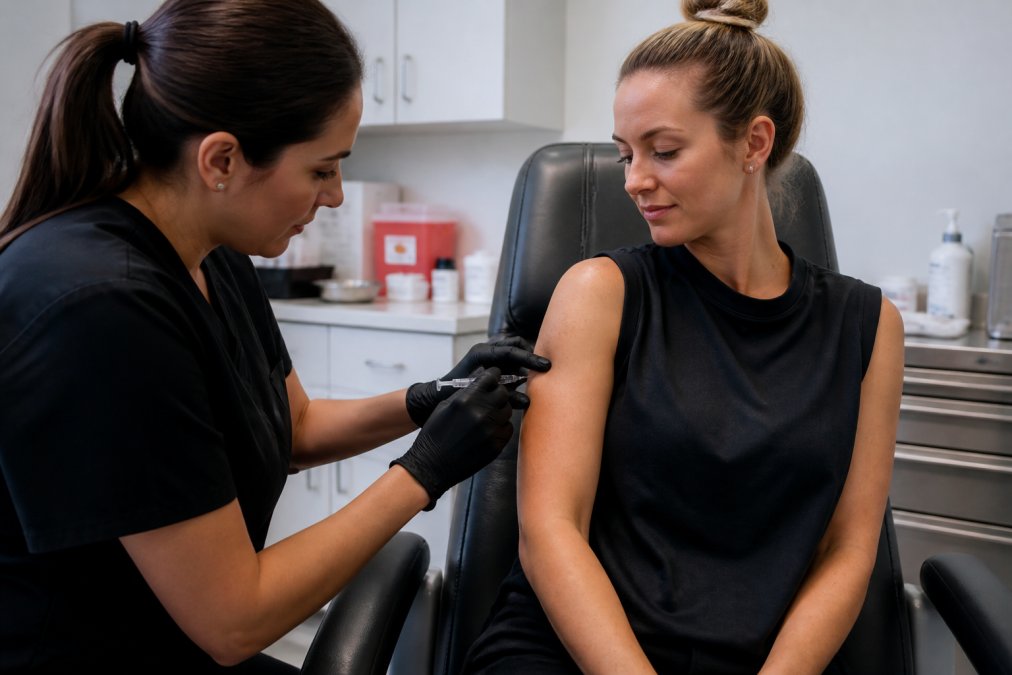
Starting peptide therapy begins with a comprehensive health assessment that establishes baseline function across multiple systems: hormone levels, metabolic markers, cardiovascular function, and cognitive baseline. This assessment identifies which peptides align with your specific goals and screens for contraindications.
The initial consultation involves detailed discussion of your health history, current symptoms, performance goals, and any medications or supplements you’re taking. Once baseline assessment is complete and peptide selection is finalized, treatment begins with dosage titration, starting at conservative doses and gradually increasing to therapeutic levels over 2-4 weeks.
Therapeutic monitoring continues throughout treatment. Follow-up appointments assess your subjective response, monitor for adverse reactions, and evaluate whether the current protocol is producing desired outcomes. The timeline for results varies by peptide and individual. Some benefits emerge within 1-2 weeks; others take 4-8 weeks; and some require months. Patience and consistent protocol adherence are essential.
Cost and time commitment vary based on your specific protocol. The Boulevard Wellness offers flexible membership options that accommodate different treatment intensities and frequencies. For high performers with demanding schedules, peptide therapy is designed to be time-efficient and integrated into existing wellness routines.
Conclusion: Is Peptide Therapy Right for You?
The benefits of peptide therapy 2026 are substantial for high performers facing biological bottlenecks that conventional approaches cannot address. If you’ve optimized sleep, nutrition, and training but still experience afternoon energy crashes, prolonged recovery, or declining mental clarity, peptide therapy warrants serious consideration.
The critical distinction is medically guided peptide therapy versus DIY experimentation. Clinical peptide therapy, administered under professional supervision with proper assessment and monitoring, offers meaningful performance and health optimization.
At The Boulevard Wellness, we combine clinically personalized peptide therapy with comprehensive health assessment, ongoing therapeutic monitoring, and integration with other longevity medicine approaches. If you’re curious whether peptide therapy aligns with your health objectives and performance goals, consult with a qualified longevity medicine practitioner who can evaluate your individual situation.
Ready to optimize your performance and recovery? Book a consultation with The Boulevard Wellness and discover how medically guided peptide therapy can address your specific health goals. Our clinically personalized treatment plans, combined with comprehensive health assessment and ongoing therapeutic monitoring, deliver the results high performers expect.
Frequently Asked Questions
What is the safest way to approach peptide therapy?
The safest approach combines medical supervision, baseline health assessment, and dosage titration. Work with a qualified healthcare provider who conducts thorough evaluation, monitors your response, and adjusts treatment based on therapeutic efficacy and any adverse reactions. Avoid DIY protocols, unverified sources, and self-directed dosing. Medically guided peptide therapy includes ongoing therapeutic monitoring and clear communication about realistic timelines for results, typically 4-12 weeks depending on the peptide and your goals.
Are peptides FDA-approved for performance optimization?
Most peptides exist in a regulatory gray area. Some peptides have FDA approval for specific medical conditions (like growth hormone secretagogues for certain deficiencies), but approval for performance optimization, muscle hypertrophy, or anti-aging is limited. The FDA does not approve peptides as general wellness supplements. Medically guided peptide therapy operates within regulatory oversight when prescribed by licensed providers for therapeutic purposes, but you should verify that your provider follows current FDA guidance and state medical board standards.
How does BPC-157 support recovery and tissue repair?
BPC-157 is a synthetic peptide derived from gastric juice that supports cellular signaling and collagen synthesis. Research suggests it may accelerate tissue repair, reduce inflammatory response, and promote recovery kinetics in tendons, ligaments, and muscle. While preclinical data shows promise for regenerative medicine applications, human clinical trials remain limited. BPC-157 recovery benefits are most promising when combined with proper rest, nutrition, and medical supervision. Results vary by individual, and it should not replace standard injury treatment protocols.
What happens if peptide therapy doesn’t work for me?
Response to peptide therapy varies significantly based on individual physiology, baseline hormone levels, lifestyle factors, and the specific peptide used. If you experience no benefit after 8-12 weeks of medically guided treatment, your provider should reassess your protocol, adjust dosage, or explore alternative peptides or complementary therapies. A quality wellness provider will discuss realistic expectations upfront, establish clear success markers, and offer transparent communication if adjustments are needed. Your investment includes the partnership with your medical team, not a guaranteed outcome.
Can peptide therapy interact with other medications I’m taking?
Yes, drug-peptide interactions are possible, particularly with medications affecting hormone levels, immune function, or metabolic regulation. Peptides that influence growth hormone secretagogues or cellular signaling may interact with diabetes medications, blood pressure drugs, or immunosuppressants. This is why medical supervision is essential. Before starting peptide therapy, disclose all current medications and supplements to your provider. They will evaluate pharmacokinetics, adjust timing or dosing if needed, and monitor for adverse reactions through therapeutic monitoring.
How long does peptide therapy take to show results?
Timeline varies by peptide, dosage, and your specific goals. Most patients notice changes in energy, sleep quality, or recovery within 2-4 weeks. Visible muscle hypertrophy, significant fat oxidation, or anti-aging skin improvements typically require 8-12 weeks of consistent therapy. Collagen synthesis and neuroprotection benefits may take longer. Your provider should establish realistic timelines during the initial consultation and adjust expectations based on your baseline health, age, and lifestyle factors. Patience and consistency with medically supervised protocols yield the most reliable results.
What is the difference between peptide therapy and hormone replacement therapy?
Peptides are amino acid chains that signal your body to produce or optimize its own hormones, while hormone replacement therapy (HRT) directly introduces synthetic or bioidentical hormones. Peptide therapy works through cellular signaling and hormone optimization rather than direct hormone replacement. Peptides may trigger growth hormone secretion, immune modulation, or tissue repair without the same systemic hormone load as HRT. Both require medical supervision, but peptide therapy often appeals to those seeking to stimulate the body’s natural regenerative capacity rather than replace hormones outright.