
Table of Contents
- What Is Oxidative Stress and How to Reduce It
- 1. Eat Foods High in Antioxidants
- 2. Exercise and Oxidative Stress: Find the Right Dose
- 3. Prioritize Sleep, Circadian Rhythm, and Recovery
- 4. Reduce Environmental Exposures and Chronic Stress
- 5. Approach Antioxidant Supplements for Longevity With Caution
- Measuring Oxidative Stress and Grading the Evidence
- Conclusion
- Frequently Asked Questions
Last Updated: October 21, 2026
What Is Oxidative Stress and How to Reduce It
Oxidative stress is the imbalance between unstable molecules called free radicals and the body’s ability to neutralize them. This guide from The Boulevard Wellness breaks down the five most effective ways to reduce oxidative stress for longevity, ranked by impact and ease. (Source: National Institutes of Health (NIH) on antioxidants)
Your cells run on oxygen. That same oxygen can damage them.
Every breath produces unstable molecules called free radicals. In small amounts, they help your body signal and repair. In large amounts, they attack cells, proteins, and DNA.
The result is oxidative stress, and it sits behind much of what we call aging.
How Free Radicals and Reactive Oxygen Species Form
Free radicals and reactive oxygen species form during normal metabolism, but also from pollution, UV light, alcohol, and cigarette smoke. The body makes its own antioxidants to keep them in check. When production outpaces defense, damage builds.
Why It Matters for Aging and Longevity
Oxidative stress is the accumulated cell damage caused by free radicals outpacing your antioxidant defenses. It links to inflammation, DNA damage, and many chronic diseases. Lowering it is one of the few levers that touches nearly every system in the body.
Here is the plan, in order of impact:
| Step | Focus | Effort | Impact |
|---|---|---|---|
| 1 | Antioxidant-rich foods | Medium | High |
| 2 | Right exercise dose | Medium | High |
| 3 | Sleep and recovery | Low | High |
| 4 | Cut exposures and stress | Low | Medium |
| 5 | Supplements, with caution | Low | Variable |
1. Eat Foods High in Antioxidants
Foods high in antioxidants are the most reliable way to support your defenses. Whole plant foods deliver vitamins, polyphenols, and fiber together, which supplements cannot copy.
A plant-rich diet is the foundation. Aim for color on every plate.
Berries, Grapes, and Resveratrol
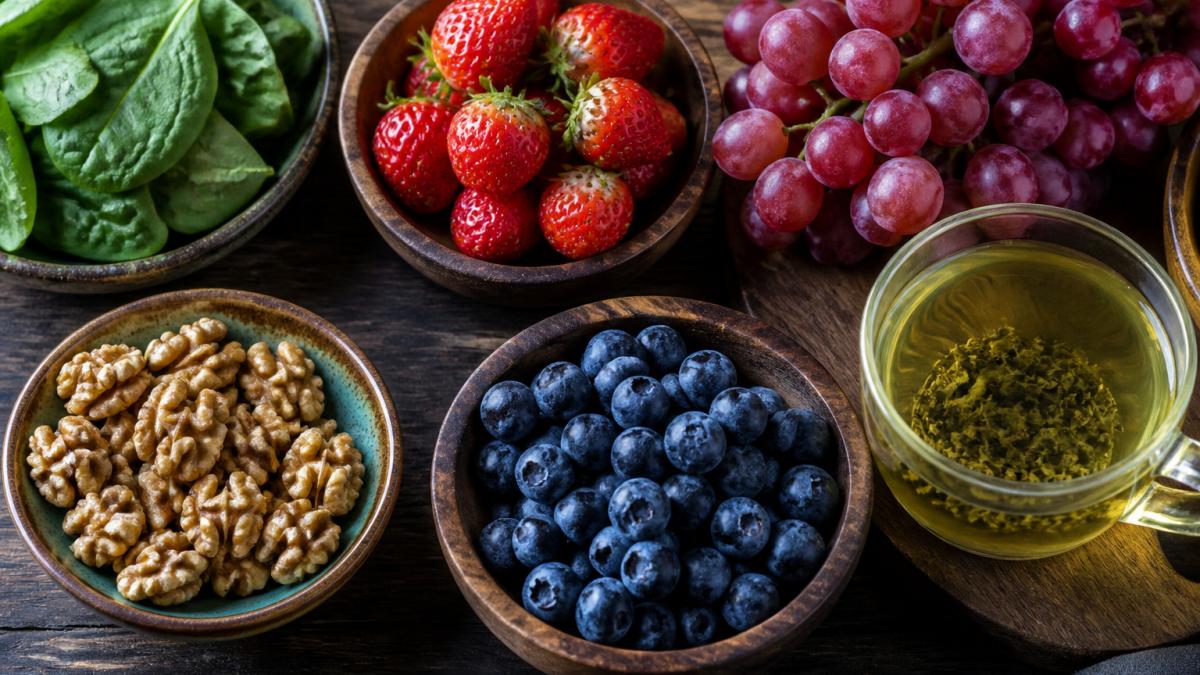
Berries, grapes, and resveratrol are standout sources. Blueberries, strawberries, and blackberries carry anthocyanins. Grapes, especially the skins, contain resveratrol.
- Berries: add a handful to breakfast or dessert
- Red grapes: a small serving, not juice
- Dark chocolate: at least 70% cocoa, in small amounts
- Green tea: a simple daily swap for soda
Cut Processed Foods and Added Sugar
Processed foods and added sugar drive inflammation and add free-radical load. Cut sugary drinks, refined snacks, and heavy fried foods first. Small swaps beat strict diets.
Build meals around plants first, then add protein. You will naturally eat more antioxidants without counting anything.
2. Exercise and Oxidative Stress: Find the Right Dose
Exercise and oxidative stress have a dose-response curve. Moderate activity boosts your antioxidant defenses. Extreme, unaccustomed training can spike free radicals and leave you sore and inflamed.
The sweet spot is regular, moderate movement with occasional hard sessions and real recovery between them.
- Most days: 30 minutes of brisk walking or easy cycling
- Two to three times a week: strength training
- Once or twice a week: a harder interval session, followed by rest
A common mistake is going from zero to daily high-intensity work. Build gradually and let recovery days do their job.
3. Prioritize Sleep, Circadian Rhythm, and Recovery
Sleep is when your cells repair DNA and clear damaged components. Short or broken sleep raises oxidative stress and lowers antioxidant capacity.
Most adults need seven to nine hours (How Much Sleep Do Adults Need?). Keep a consistent schedule, dim lights at night, and get morning daylight to anchor your circadian rhythm.
Cutting sleep to train or work more backfires. You add free-radical load while removing the repair window your body needs to handle it.
4. Reduce Environmental Exposures and Chronic Stress
Environmental exposures and chronic stress add to your daily free-radical load. You cannot remove all of them, but realistic reductions add up, and this is one area where small, specific changes beat vague advice to ‘avoid free radicals.’ (Source: American Heart Association’s recommendations for physical activity)
Air Pollution and Indoor Air
Fine particulate matter (PM2.5) and ozone are well-documented drivers of oxidative stress and inflammation. Practical steps:
- Check the Air Quality Index (AQI) where you live and shift hard outdoor workouts indoors on poor-air days
- Use a HEPA filter in the bedroom if you live near a highway, industrial area, or wildfire-prone region
- Avoid burning candles, incense, and wood fires indoors; vent gas stoves
- Test for radon if you have not, it is a common indoor exposure with a clear mitigation path
Tobacco, Alcohol, and UV
- Tobacco: smoking and secondhand smoke are among the largest controllable sources of free radicals. Quitting is the single highest-impact exposure change most people can make.
- Alcohol: metabolism of alcohol generates reactive species and disrupts antioxidant defenses. Less is better; the evidence does not support a protective threshold.
- UV: ultraviolet light generates free radicals in skin and drives photoaging. Use broad-spectrum sunscreen, seek shade at peak hours, and do not use tanning beds.
Occupational and Everyday Exposures
If your job involves solvents, paints, welding fumes, pesticides, or dust, use the provided respiratory and skin protection, this is not optional. At home, limit unnecessary pesticide use, ventilate when using cleaning products, and store chemicals safely.
Chronic Stress
Chronic psychological stress raises cortisol and inflammatory signaling, which in turn increases oxidative load. The evidence here is moderate rather than strong, but the interventions are low-risk: paced breathing, regular walking, therapy, and protecting social connection. Treating chronic stress is not soft. It is protective.
Pick one exposure to reduce this week, a HEPA filter, a quit date, or a sunscreen habit, rather than trying to overhaul everything at once. Specific beats sweeping.
5. Approach Antioxidant Supplements for Longevity With Caution
Antioxidant supplements for longevity are where the evidence gets thinnest and the marketing gets loudest. The honest summary: getting enough vitamins and minerals from food supports your antioxidant defenses, but taking high-dose single antioxidants above your needs has not been shown to extend human lifespan, and some trials have raised safety concerns. Focusing on systemic health through anti-inflammatory supplements offers a more nuanced approach to managing cellular stress than the indiscriminate use of isolated antioxidants.
Vitamin C, Vitamin E, and What Human Studies Show
Vitamin C and vitamin E are essential nutrients. Vitamin C regenerates vitamin E in the body, and both participate in the antioxidant network that protects cell membranes and aqueous compartments. Deficiency impairs defenses; correcting a deficiency helps. But the dose-response curve flattens once you meet your needs.
Large randomized trials of high-dose vitamin E, including the SELECT trial in prostate cancer prevention and the Women’s Health Study, did not show longevity or broad disease-prevention benefit, and some signals suggested harm at high doses. Vitamin C trials have similarly failed to show that megadoses extend life in well-nourished adults. A common pattern in the literature: antioxidant supplements help people who are deficient and do little or nothing for people who are already replete.
This is not an argument against all supplements. It is an argument against treating a capsule as insurance.
Potential Downsides and Safety
Potential downsides include:
- Interactions with medications, high-dose vitamin E can increase bleeding risk, especially with anticoagulants; vitamin C can affect certain lab tests and iron absorption
- Interference with treatments, antioxidants can blunt some chemotherapy and radiation effects, which is why oncology teams often ask patients to pause high-dose supplements
- High-dose harm, very high vitamin E intake has been associated with increased all-cause mortality in meta-analyses; high-dose beta-carotene increased lung cancer risk in smokers in the CARET and ATBC trials
- Opportunity cost, money and attention spent on pills can crowd out the food, sleep, and exercise basics that actually move the needle
More is not better. The tolerable upper intake level for vitamin E in adults is 1,000 mg per day of any form, and for vitamin C it is 2,000 mg per day, thresholds that are easy to exceed with megadose products.
If you take a blood thinner, have kidney disease, or are undergoing cancer treatment, talk to your clinician before starting any high-dose antioxidant. The interaction risk is real, not theoretical.
Treat supplements as a targeted tool guided by a clinician, not a daily insurance policy. Dose, form, and your health history all matter. Food first; supplements fill gaps, they do not replace a poor diet.
At The Boulevard Wellness, our clinicians review your labs, history, and goals before recommending any protocol.
Measuring Oxidative Stress and Grading the Evidence
Measuring oxidative stress is possible but imperfect. Some tests look at markers in blood or urine, yet no single test tells the full story, and results can vary day to day.
Grade the evidence before you act:
- Strong: plant-rich diet, regular exercise, sleep, not smoking
- Moderate: stress management, limiting alcohol and UV
- Mixed: high-dose antioxidant supplements
The basics win. The exotic stuff rarely does.
Conclusion
The real challenge is not knowing the five steps. It is building a plan that fits your body, your labs, and your life.
At The Boulevard Wellness, we build clinically personalized plans for high performers. Our team offers hormone optimization, peptide therapy, and IV infusions, all within a private, membership-based setting built for prevention and long-term vitality.
Book an appointment and get a plan grounded in your own data, not guesswork.
Frequently Asked Questions
What is oxidative stress and how can you reduce it?
Oxidative stress is an imbalance between free radicals, including reactive oxygen species, and the body’s antioxidant defenses. That imbalance can damage cells, DNA, and proteins over time. You can reduce oxidative stress by eating plant-rich foods, exercising at a moderate dose, protecting sleep, limiting environmental exposures, and managing chronic stress. Antioxidant supplements play a smaller role than most people expect, and human studies on them are mixed. A consultation with a qualified clinician can help you personalize the approach based on your health status and age.
Can diet help reduce oxidative stress?
Yes. A plant-based diet built around fruits and vegetables, especially berries and grapes, supplies vitamin C, vitamin E, quercetin, and curcumin. These compounds support the body’s antioxidant defenses and help lower inflammation. Cutting processed foods and added sugar matters just as much, because poor diet quality adds to free-radical exposure. Aim for color and variety at most meals rather than chasing a single superfood. Diet is the most reliable lever most people have for reducing oxidative stress and supporting healthy aging.
Do antioxidant supplements help with oxidative stress and longevity?
The evidence is limited and mixed. Some human studies show benefit in specific groups, but large trials of single antioxidants like vitamin C and vitamin E have not consistently extended lifespan or prevented chronic illness. High doses can carry downsides, including interactions with medications. Treat antioxidant supplements as a targeted add-on, not a substitute for diet, exercise, and sleep. Discuss any supplement plan with a qualified professional, especially if you take prescription medication or manage a chronic condition.
How does exercise affect oxidative stress and healthy aging?
Exercise and oxidative stress have a dose-dependent relationship. Regular moderate physical activity strengthens antioxidant defenses and supports cellular repair, which is part of why it supports healthy aging. Very intense or prolonged training without adequate recovery can raise free-radical exposure and inflammation. For most adults, consistent moderate exercise with planned recovery days is the better bet for longevity than all-out training every session. If you are an amateur athlete pushing high volume, build recovery into the plan.