
Table of Contents
- What Are Peptides and How Do They Work in the Body
- The Cellular Mechanisms: How Peptide Therapy Addresses Aging
- Commonly Used Peptides for Anti-Aging and Their Specific Functions
- How Long Does Peptide Therapy Take to Work
- Safety of Peptide Therapy: What You Need to Know
- FDA Regulation of Peptide Compounds and Clinical Status
- Is Peptide Therapy Right for You: Realistic Expectations and Next Steps
- Frequently Asked Questions
Last Updated: September 21, 2026
What Are Peptides and How Do They Work in the Body
Peptides are short chains of amino acids that act as signaling molecules throughout your body, triggering specific biological responses at the cellular level, which is why peptide therapy aging has become a focus in longevity medicine. Unlike larger protein molecules, peptides are small enough to be absorbed through the digestive system or delivered via injection, making them useful tools for targeted therapeutic interventions. The Boulevard Wellness uses peptide therapy as part of a comprehensive longevity approach.
Your body naturally produces thousands of different peptides, each serving distinct functions: regulating sleep, controlling appetite, managing inflammation, or promoting cellular regeneration. When peptide levels decline with age, starting in the 30s for most people, certain biological processes slow down, which is where peptide therapy aging enters as a therapeutic intervention.
The mechanism is straightforward. When you introduce bioactive peptides into your system, they bind to specific receptors on cells, initiating a cascade of cellular signaling events. Think of peptides as biochemical messengers that tell your cells to perform specific tasks: produce more collagen, increase growth hormone secretion, reduce oxidative stress, or accelerate muscle protein synthesis. The specificity matters. A peptide designed to stimulate growth hormone-releasing peptides will not affect your immune system, whereas another peptide might do exactly that.
Different peptides have different absorption rates and bioavailability profiles. Some work best when injected subcutaneously, while others can be taken orally. Understanding these pharmacokinetic differences is essential for realistic expectations about timing and outcomes.
The Cellular Mechanisms: How Peptide Therapy Addresses Aging
The aging process involves multiple interconnected cellular failures: declining growth hormone, reduced collagen synthesis, accumulation of oxidative stress, and impaired cellular regeneration. Peptide therapy targets these mechanisms directly by restoring or enhancing the body’s own biological processes rather than replacing them with external hormones.
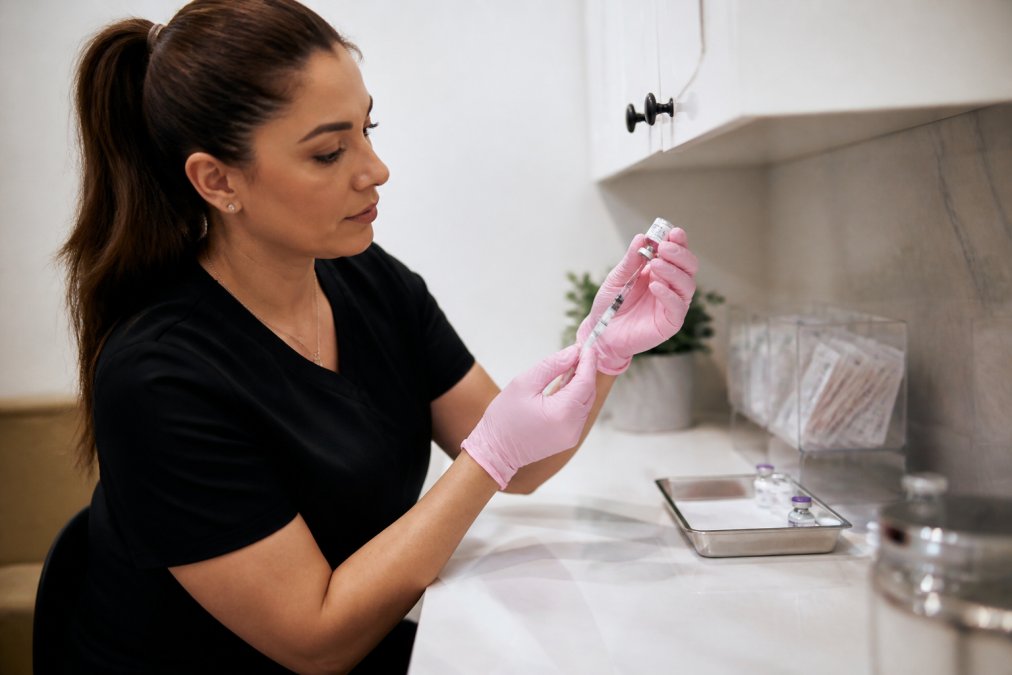
At the cellular level, aging involves two primary problems: cells stop receiving growth signals and become less efficient at responding to them. Peptides address both by reactivating dormant cellular pathways. Growth hormone-releasing peptides, for example, stimulate your pituitary gland to produce more of your own growth hormone by reminding your body it should be making more.
Oxidative stress, the accumulation of free radicals that damage cellular structures, is a hallmark of aging. Peptides can enhance your body’s natural antioxidant defenses and reduce systemic inflammation, slowing cellular degradation. The cellular signaling pathways these peptides activate are the same ones that decline with age, so restoring them addresses a root cause rather than a symptom.
Collagen synthesis is another key mechanism. Peptide therapy can stimulate fibroblasts to increase collagen output, which is why many people pursue it for skin health and joint recovery. Results depend heavily on dosage, duration, and individual metabolic factors.
Commonly Used Peptides for Anti-Aging and Their Specific Functions
Several peptides have gained attention in longevity medicine, each with a distinct mechanism and intended outcome. Understanding what each one does helps you evaluate whether peptide therapy aligns with your specific goals.
Growth hormone-releasing peptides (GHRPs) like ipamorelin and hexarelin stimulate your pituitary gland to increase growth hormone production. Since growth hormone naturally declines with age, restoring it can improve body composition, muscle recovery, and metabolic function through systemic effects.
BPC-157 (body protection compound) is a synthetic peptide derived from a protective compound found naturally in gastric juice. It’s used primarily for joint health and tissue repair, including tendon and ligament recovery, by enhancing the body’s own repair mechanisms.
Thymosin alpha 1 is a naturally occurring peptide that supports immune function and reduces inflammation. For aging populations, immune modulation is relevant because immune function naturally declines with age.
Melanotan II stimulates melanin production and has been explored for skin health and metabolic effects, though it’s less commonly used in mainstream longevity clinics.
Semax and Selank are peptides developed for cognitive function and stress resilience, appealing to high performers interested in mental clarity alongside physical optimization.
The peptide you’re considering matters less than understanding what it’s supposed to do and whether that aligns with your actual goals. A peptide optimized for joint recovery won’t improve skin health, and a peptide designed for immune support won’t directly enhance muscle growth. Realistic peptide therapy requires matching the peptide to your specific objective.
How Long Does Peptide Therapy Take to Work
This is where many people’s expectations diverge from reality. Peptide therapy is not an overnight intervention. The timeline depends on the specific peptide, your baseline health status, dosage, frequency, and individual metabolic variation.
The timeline depends on the specific peptide, your baseline health status, dosage, frequency, and individual metabolic variation. Some people notice changes within 4 to 6 weeks; others see nothing for 8 weeks then experience a noticeable shift. This variability reflects the time cellular processes require.
For peptides targeting collagen synthesis and skin health, results typically emerge over time. Collagen remodeling is slow; dramatic skin transformation won’t occur in a month. Muscle recovery and body composition changes follow a similar timeline.
Joint health improvements from peptides like BPC-157 may appear over time, depending on severity and individual biology. Mild discomfort may improve quickly; advanced degeneration may require longer protocols.
The key insight is that peptide therapy is a medium-term intervention, not a quick fix. If you’re considering it, you should plan for consistent use before evaluating whether it’s working for you. Stopping after a short period because you haven’t noticed anything yet is a common mistake that prevents people from experiencing the actual benefits. Building a foundation of cellular support often requires selecting specific compounds tailored to your goals, which is why understanding copper peptides benefits remains a vital component of any long-term skin health strategy.
Safety of Peptide Therapy: What You Need to Know
Peptide therapy carries real considerations around safety, though the risk profile is generally lower than that of synthetic hormone replacement. This is important to understand clearly before committing to treatment.
Peptides are broken down by your digestive system and immune system like any other protein and don’t accumulate like synthetic steroids. However, introducing peptides creates biological changes that can have unintended consequences.
Common side effects are typically mild: injection site reactions, headaches, or temporary water retention. Some people report increased appetite with growth hormone-releasing peptides, while others experience mild fatigue or mood changes as their body adjusts.
More serious considerations include drug-peptide interactions.
FDA Regulation of Peptide Compounds and Clinical Status
Understanding the regulatory landscape around peptide therapy is crucial because it affects what’s available, what’s legal, and what level of clinical validation exists for different peptides.
Is Peptide Therapy Right for You: Realistic Expectations and Next Steps
Peptide therapy is not a universal solution. It works best for people with specific goals, realistic timelines, and the ability to commit to consistent treatment over months, not weeks.
Frequently Asked Questions
How does peptide therapy actually work at a cellular level to reverse aging?
Peptides are amino acid chains that trigger specific cellular signaling pathways. They stimulate growth hormone release, enhance collagen synthesis, reduce oxidative stress through free radical scavenging, and improve cellular regeneration. This promotes muscle recovery, skin elasticity, and metabolic optimization. The specific mechanism depends on which peptide is used, some target hormone regulation, others focus on muscle hypertrophy or joint health. Results develop gradually as cells respond to these signals over weeks to months.
How long does peptide therapy take to work, and when should I expect to feel results?
The timeline for results varies based on your baseline health, the specific peptide protocol, dosage, and how consistently you follow the treatment plan. Some changes, like collagen remodeling in skin, take longer than metabolic shifts. Your provider can set realistic expectations during your personalized consultation.
What are the main safety concerns with peptide therapy?
Peptide therapy has a favorable safety profile when administered by qualified practitioners, but potential side effects include injection site reactions, temporary water retention, and rarely, headaches or nausea. Key safety considerations include proper dosage standardization, screening for drug-peptide interactions with your current medications, and ensuring subcutaneous administration technique is correct. Working with a medically supervised clinic that monitors your response reduces risks significantly. Always disclose your full medical history and current medications before starting.
Are peptides FDA-approved, and what’s the regulatory status in the United States?
Some peptides have FDA approval for specific medical conditions (like semaglutide for weight management). The FDA regulates compounding under the Pharmacy Compounding Quality Act. This means your peptides must come from a licensed pharmacy following strict quality standards. While this differs from traditional FDA drug approval, it ensures safety and standardization. Always verify your provider uses FDA-regulated compounding pharmacies.
What’s the difference between injectable peptides and topical peptide products?
Injectable peptides bypass the digestive system and enter systemic circulation directly, ensuring high bioavailability and reaching target tissues effectively. Topical peptides work locally on skin surface but have limited penetration and systemic absorption. Injectable peptides deliver broader benefits, hormone regulation, muscle recovery, metabolic optimization, while topical options support skin health and collagen synthesis. Most anti-aging peptide therapy protocols use injectable administration for maximum efficacy, though some practitioners combine both approaches for comprehensive results.
Can peptide therapy interact with my current medications?
Peptides can interact with certain medications, particularly those affecting hormone levels, blood sugar, or cardiovascular function. For example, peptides that stimulate growth hormone may interact with diabetes medications or blood pressure drugs. This is why a thorough medical history and current medication review is essential before starting peptide therapy. Your provider must screen for potential drug-peptide interactions and monitor you during treatment. Always inform your wellness provider and primary care physician about any peptides you’re considering, and maintain open communication between both care teams.
Is peptide therapy backed by clinical evidence, or is it still experimental?
Many peptides have strong preclinical and clinical evidence supporting their use for specific applications. Growth hormone-releasing peptides show solid data for muscle recovery and metabolic optimization. Collagen-stimulating peptides have documented benefits for skin health. The therapeutic potential is well-established, but ongoing research continues to refine protocols and identify optimal dosing. Always ask your provider about the specific evidence supporting your personalized peptide protocol.